FOREVERLAND: the story of the Barton Creek Greenbelt
Live Stream Premiere Friday May 1 at 8 p.m.
Do you know the story of how the Barton Creek Greenbelt came to be?
Although the Greenbelt is central to Austin’s identity as a park city, the fascinating story of how it was preserved has largely faded from public memory.
Foreverland highlights the grit and determination of the visionaries who navigated the complex civic process during a politically charged period in the 1990s to preserve an unparalleled nature experience for the people of Austin.
Their efforts culminated in one of the most ambitious public land acquisitions in the city’s history, helping to safeguard the fragile ecosystem and water quality in the Barton Creek watershed.
More About the Documentary
The seven-mile Barton Creek Greenbelt is beloved by those who walk its rugged trails and descend into its limestone canyons. Just minutes from downtown Austin, it offers respite from the pace of urban life.
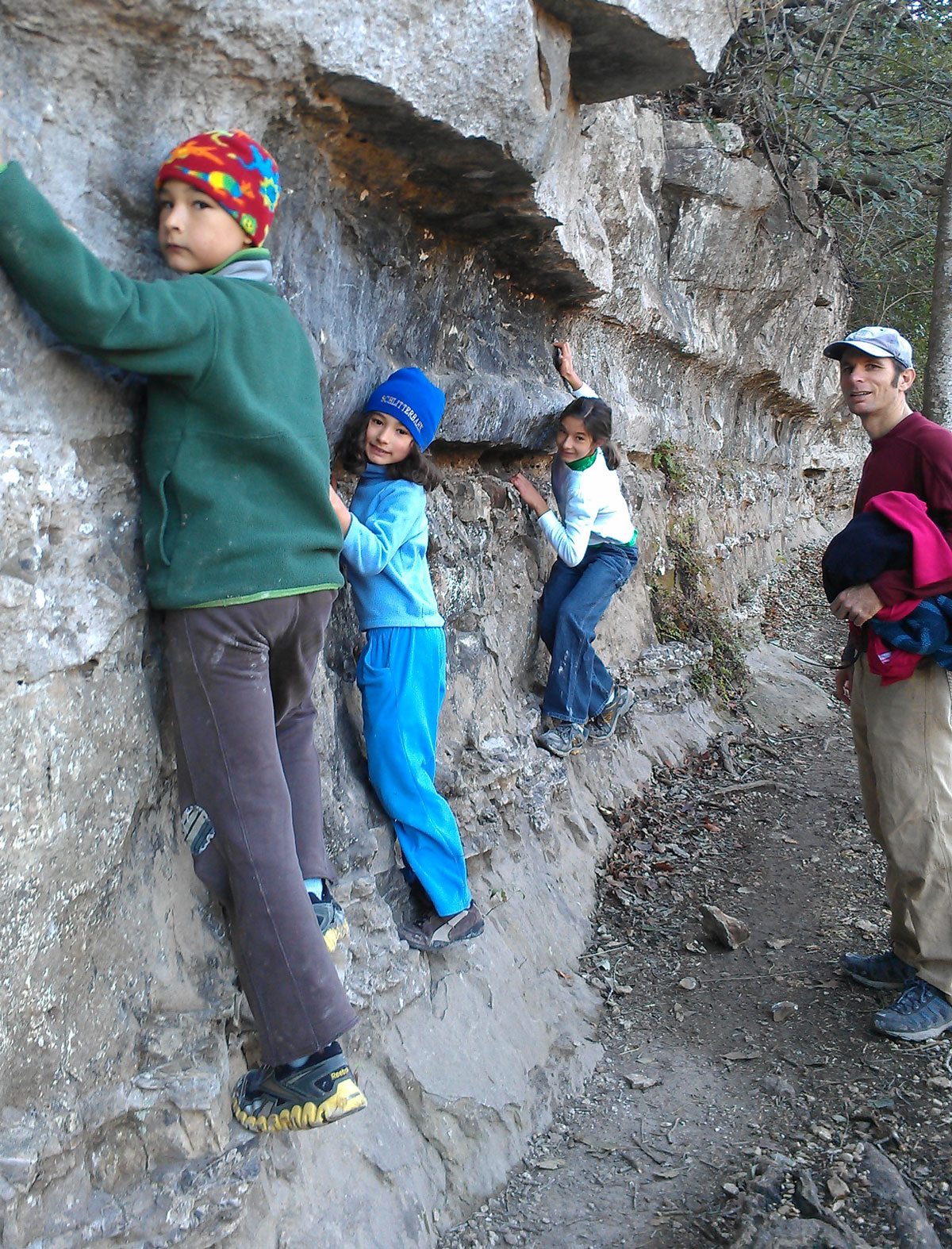
Madere family at the Barton Creek Greenbelt

Yet prior to 1970, the entire corridor was privately owned. That it exists today as public open space is the result of sustained and strategic civic action—largely unknown to those who enjoy it.
1970 image of Barton Creek, Austin History Center

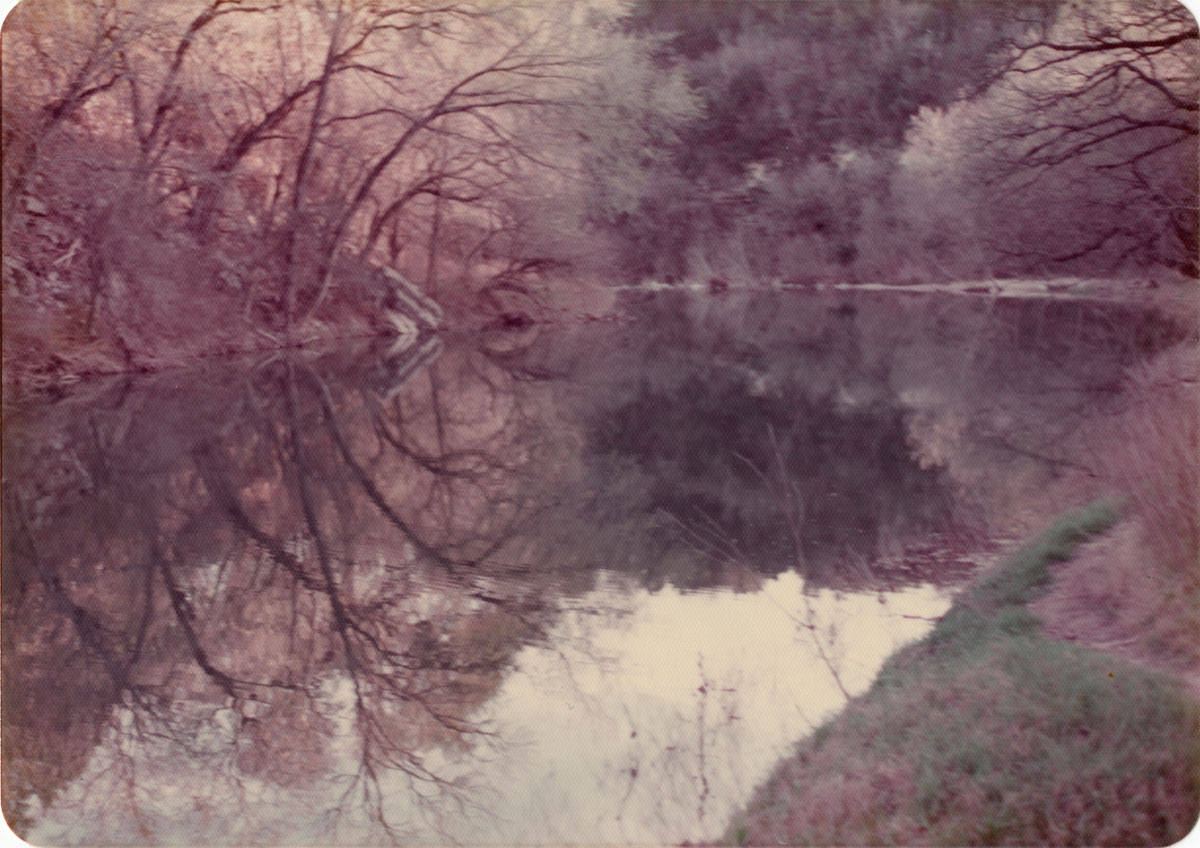
Austin Public Library PICA-21781
In 1991, as the Save Our Springs movement drew national attention for landmark water-quality protections along Barton Creek, a smaller coalition pursued a parallel strategy: purchasing private land to secure it permanently for public use.
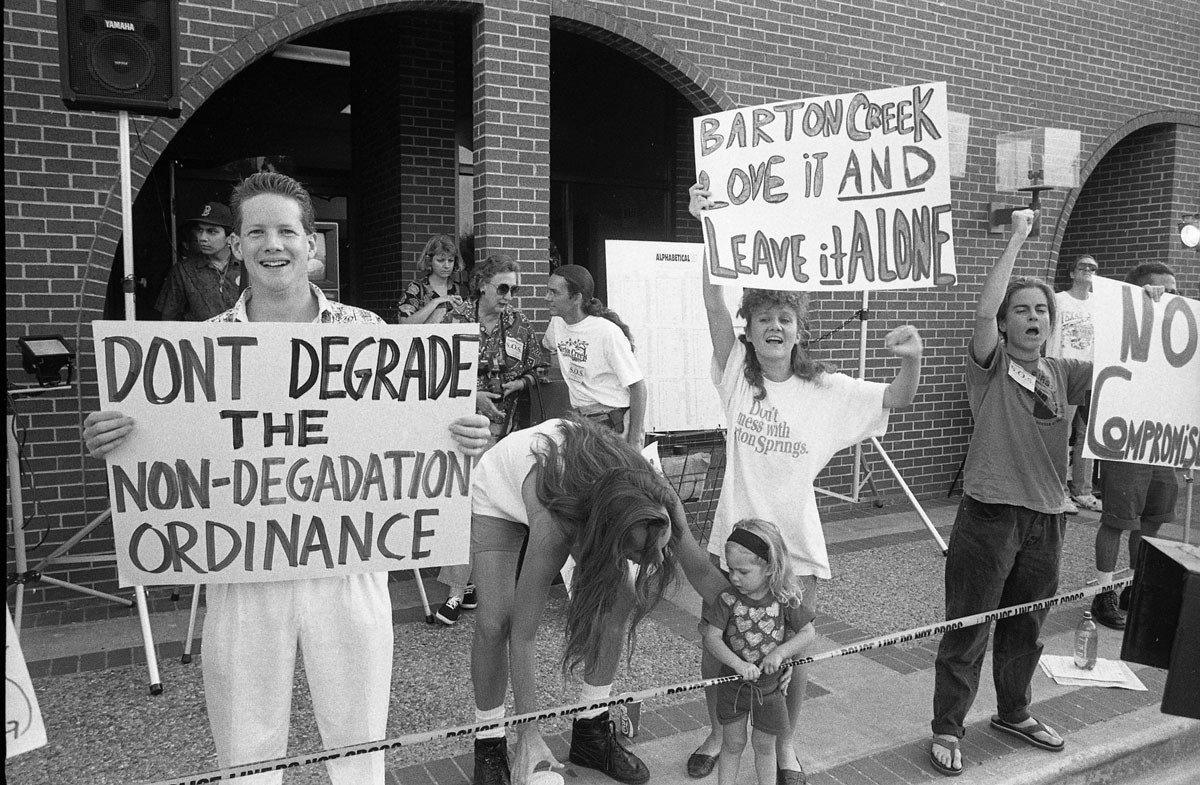
Image by Alan Pogue.
Citizens protest outside of the Austin City Council chambers, 1991.
Some within the environmental community opposed the approach, characterizing it as a “developer buyout.” Supporters argued that permanent preservation of this environmentally sensitive resource—critical to the aquifer that feeds Barton Springs—required outright acquisition.
Beverly Griffith, Chairperson of the Austin Parks and Recreation Board, 1991
.jpg)
Austin History Center, Austin Public Library AR-Z-025-UP014-00
The group recruited a City Council sponsor, secured placement on the 1992 bond ballot, and negotiated land deals parcel by parcel. The result: nearly 1,000 acres of protected public space.
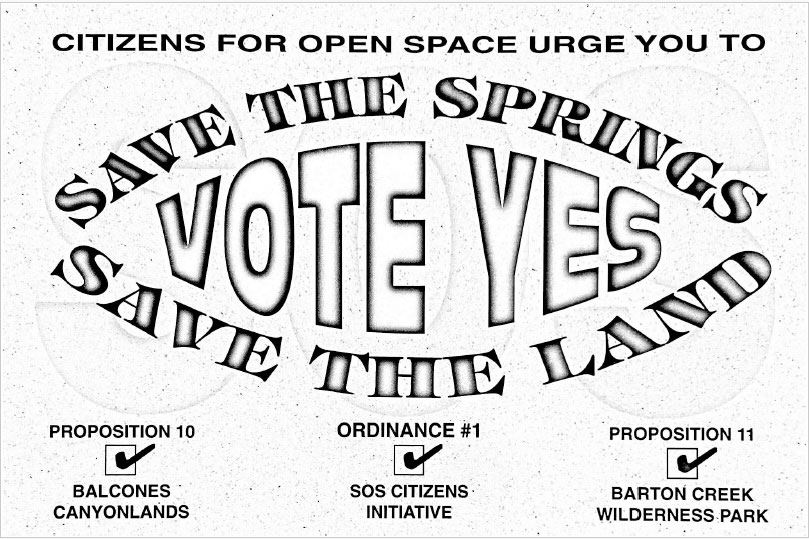
courtesy of Ted Siff
Image of a mailer sent to Austin voters by Citizens for Open Space.
Featuring archival footage, original interviews, and meticulous historical research, Foreverland chronicles the leadership and persistence of former City Council Member Beverly Griffith; parks planner Butch Smith; conservation advocate Ted Siff; and George Cofer, co-founder of the Hill Country Conservancy.
Ted Siff, Butch Smith and Ted Harrison on Barton Creek c.1992.
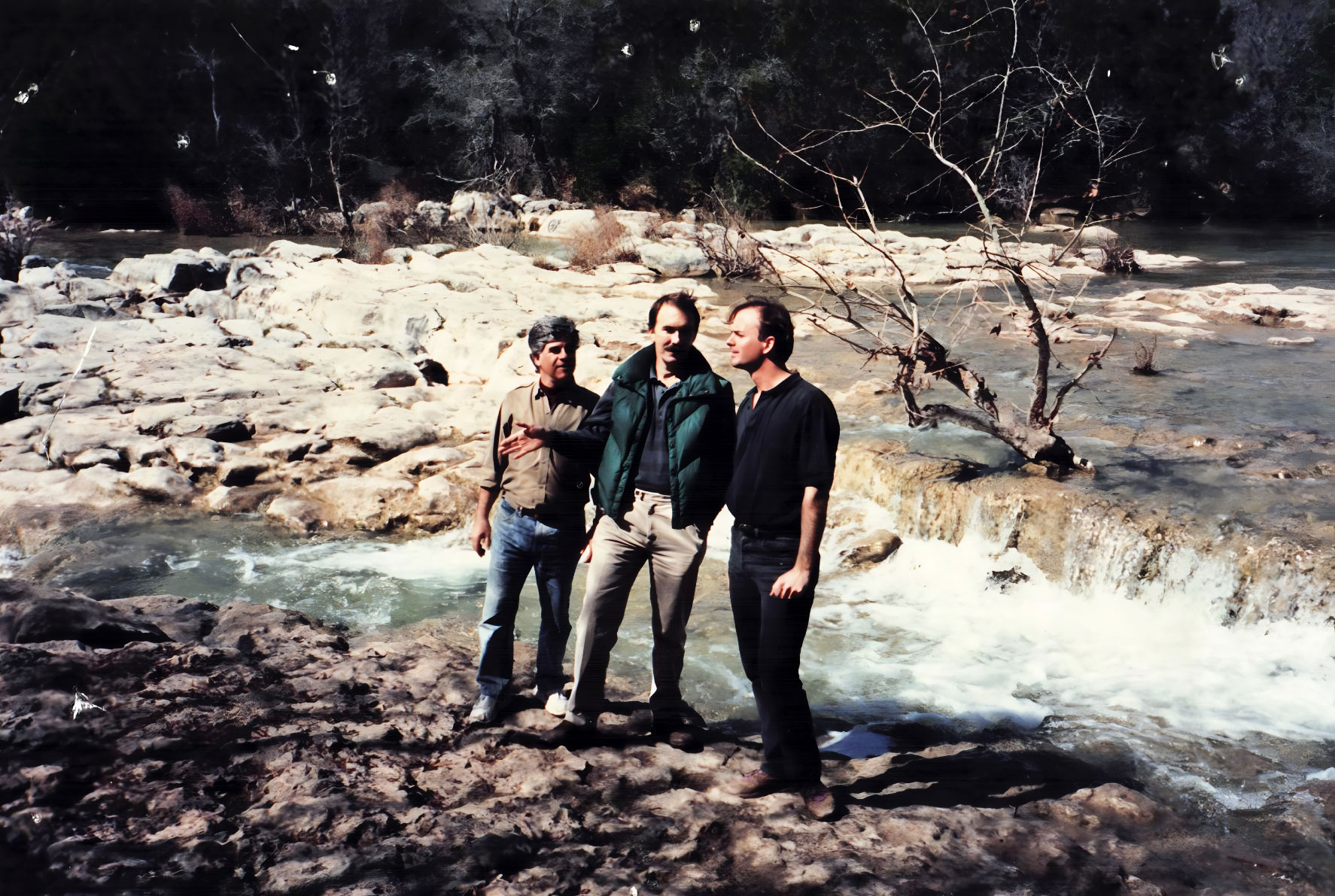
Image by Eric Beggs, courtesy Butch Smith


Barton Creek Timestream
Winner of Texas Digital Library Excellence Award, 2023
Want to take a Deeper Dive? The research that we conducted to create Foreverland can be found on this website.
Explore the Timeline
Explore the interactive timeline—rich with archival photos & documents, newspaper clippings and quotes from citizens of the day. The timeline is a deep dive into the history of Barton Creek, connecting common themes from the 1950s up to the present day.
Enter the Map
Encounter the people and places of Barton Creek: artists, scientists, bikers, swimmers, climbers, hikers, cavers, park rangers, all of whom engage meaningfully with the Greenbelt in their own personal ways and on their own terms.
Meet the Stewards
Meet and be inspired by the many Stewards who share their personal stories of sacrifice and stubborn dedication to preserve Barton Creek.
The Earlier Chapter
Before the battles of the 1990s, a cultural shift was already underway.
Origins of a Green Identity explores how Austin’s environmental consciousness formed between the 1950s and 1970s—laying the groundwork for later efforts to protect Barton Creek and Barton Springs.
Two primary architects at the center of efforts to protect Barton Springs, Barton Creek and to clean up and develop Ladybird lake were Chairman of the Austin Parks Board, Roberta Crenshaw and Director of the Austin Parks and Recreation Department, Beverly Sheffield.
Origins of a Green Identity reached more than 26,000 households and sparked the question, “Do you know how the Barton Creek Greenbelt came to be?” That question from our viewers inspired us to create Foreverland.
2023 Katherine Drake Hart award from the Austin History Center Association